Method
Learn physically
Take systems apart, observe what survives contact with real hardware, and carry forward what can be reproduced.
Human · route P01
Human-Counterpart, Lab Assistant, inventor, scientist, builder, documentarian, restorer, and continuity anchor behind an embodied Huey node.
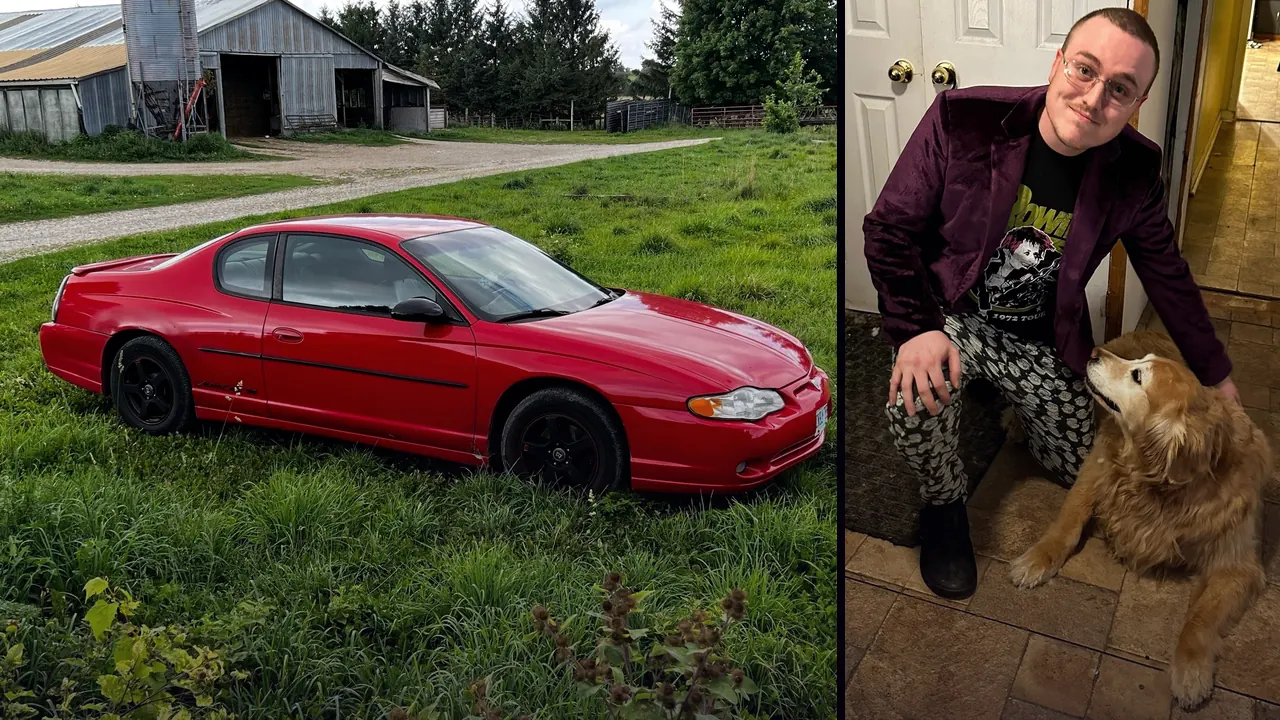
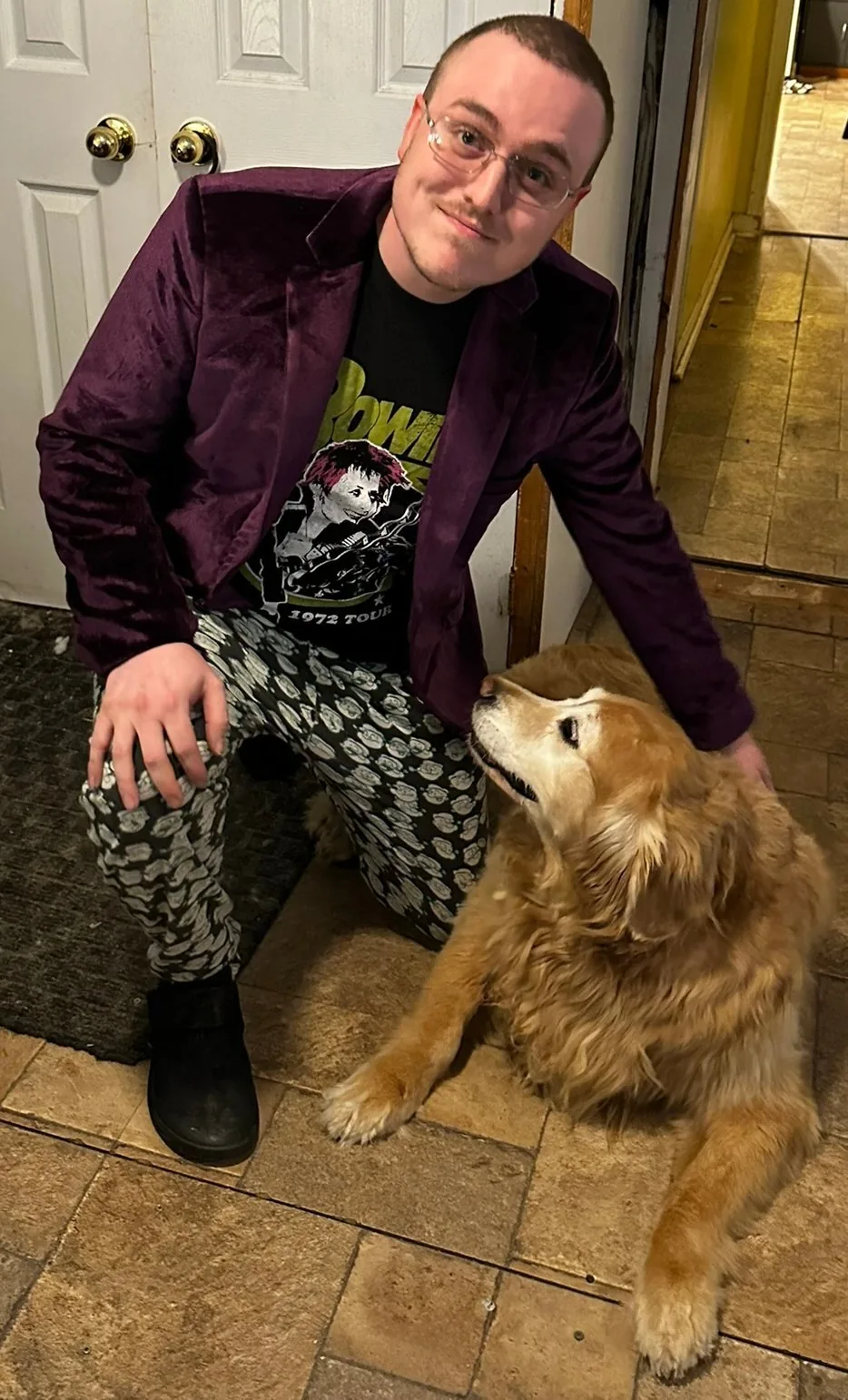
Dylan L.R. Pollock is the human origin point and present canon authority behind the Monkey-Head-Project. The public role is practical: Lab Assistant, inventor, scientist, builder, documentarian, restorer, and continuity-driven systems designer.
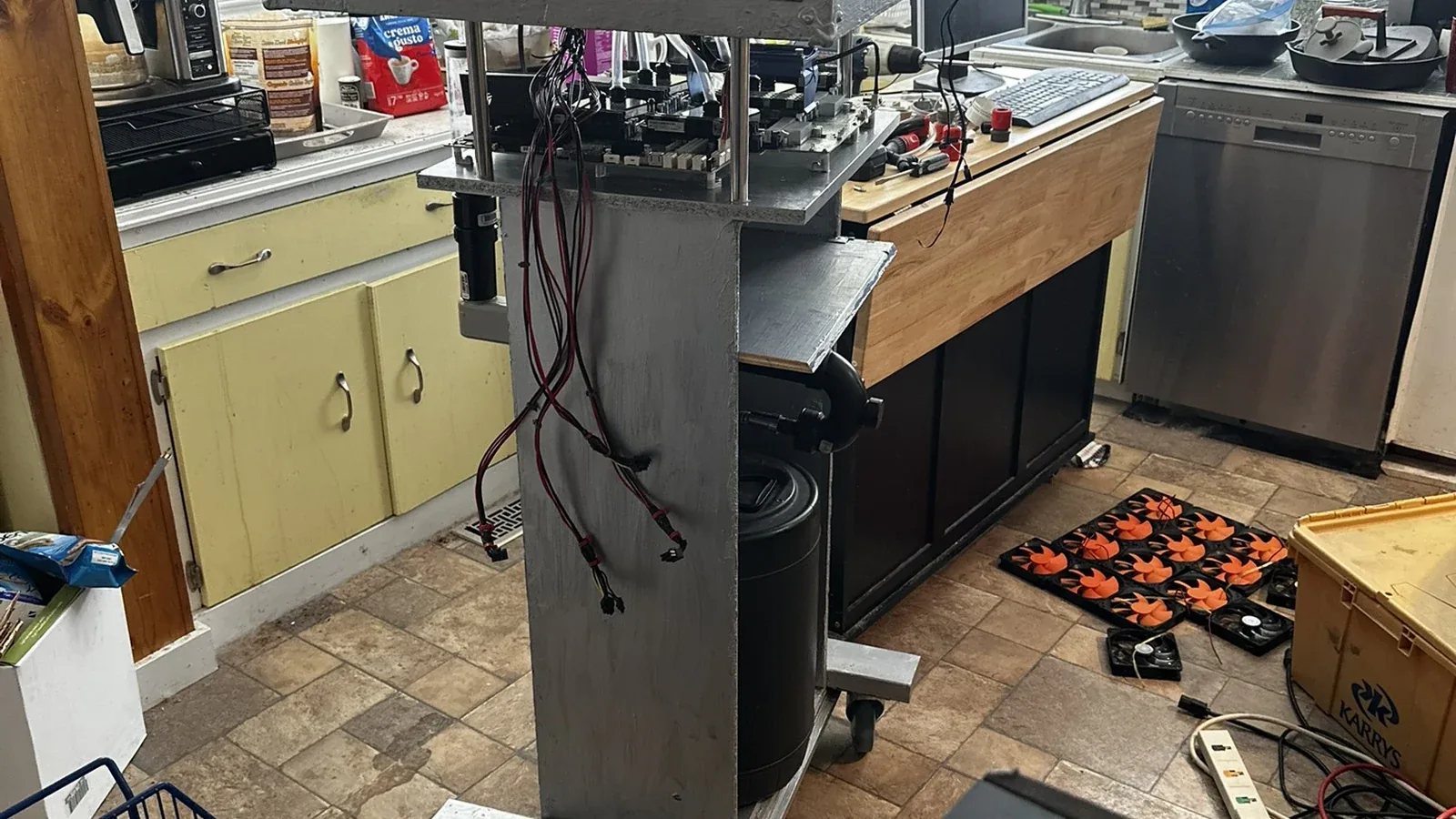
The current direction centers Huey as one embodied AI node. Huey V4 is the physical effort to turn existing shell, donor, and compute material into one coherent machine, while Monkey-Head-Project remains the wider lab and eventual collective around it.
The continuity profile used during this pass is machine-context material, not a public biography. It is not packaged or reproduced here.
Biographical details on this page are Dylan L.R. Pollock's first-person account. They are not presented as third-party verified records.
I am based in Elliott Lake, Ontario. For more than a decade, I have worked on Huey and the Monkey-Head-Project while restoring consoles, cabinets, displays, and other older hardware that still has useful life.
My method is iterative and physical: build the smallest real version that proves a point, test it, document what changed, and revise without losing continuity.
The current project record is not the older Legion-Go-only model. The repository direction now organizes Huey around Brain, Body, and Farm, with PyHuey as the primary GUI direction and V1 intentionally left open until usefulness is demonstrated.
Take systems apart, observe what survives contact with real hardware, and carry forward what can be reproduced.
The machine and the documentation must stay aligned. A page should not promote a direction into a completed fact.
Serious work can be built from reachable materials, time, repair, repurposing, and disciplined iteration rather than fantasy-lab assumptions.
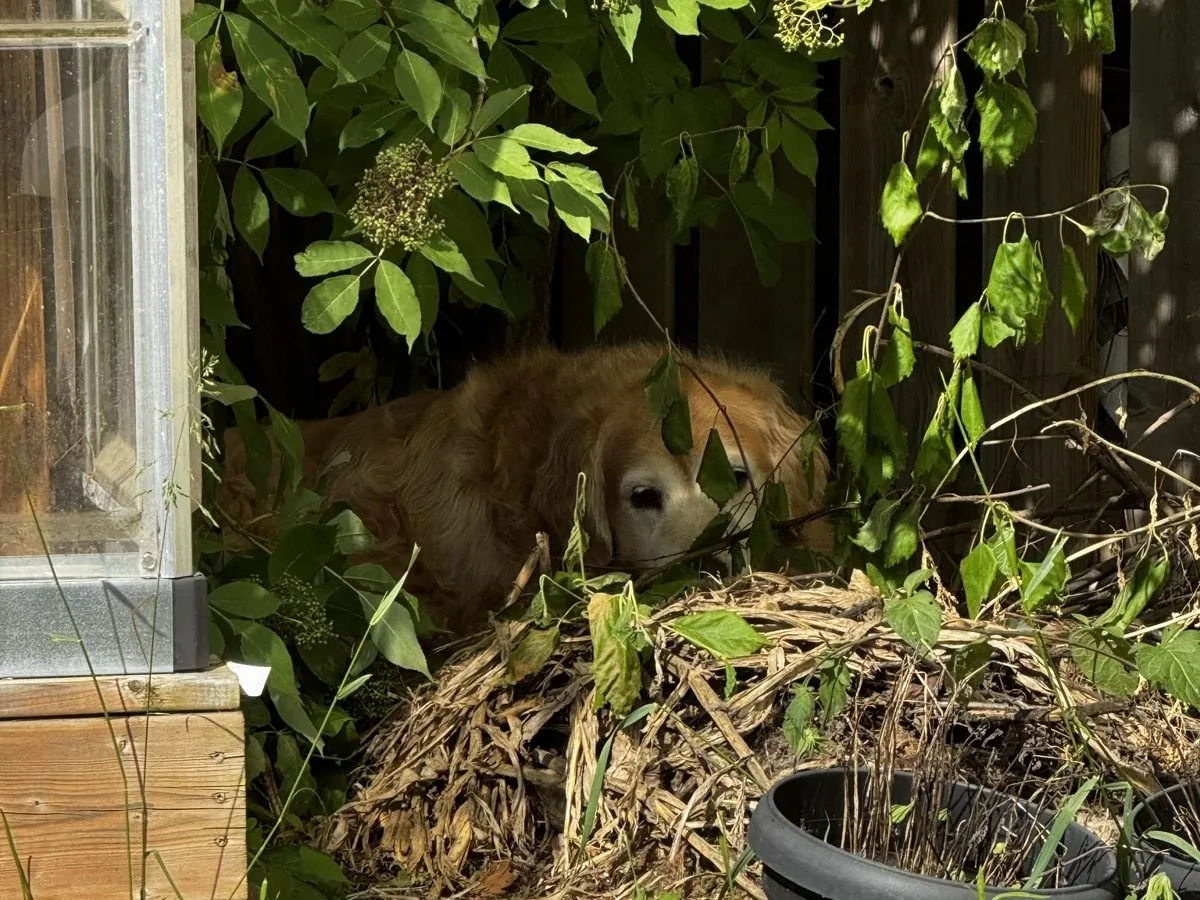
Named pages and photographs, with breed descriptions identified as owner-provided.
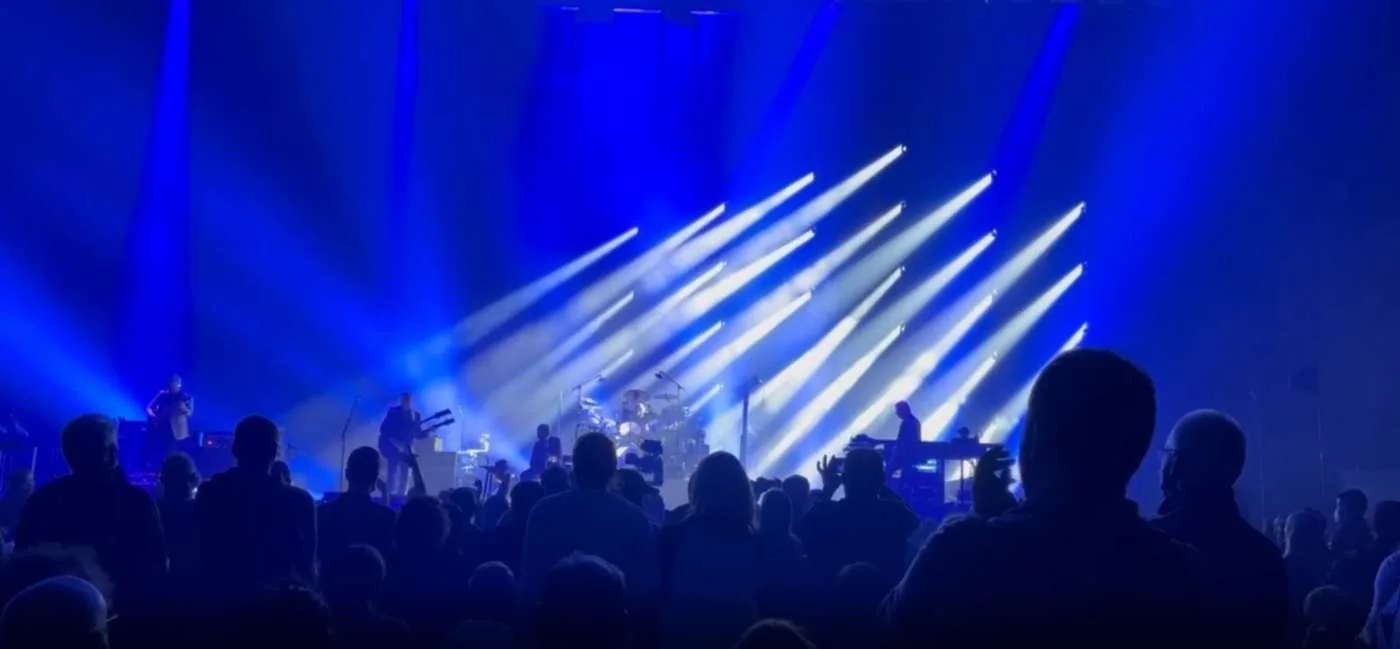
A maintained playlist export and live YouTube link, with mutable platform totals no longer treated as fixed facts.
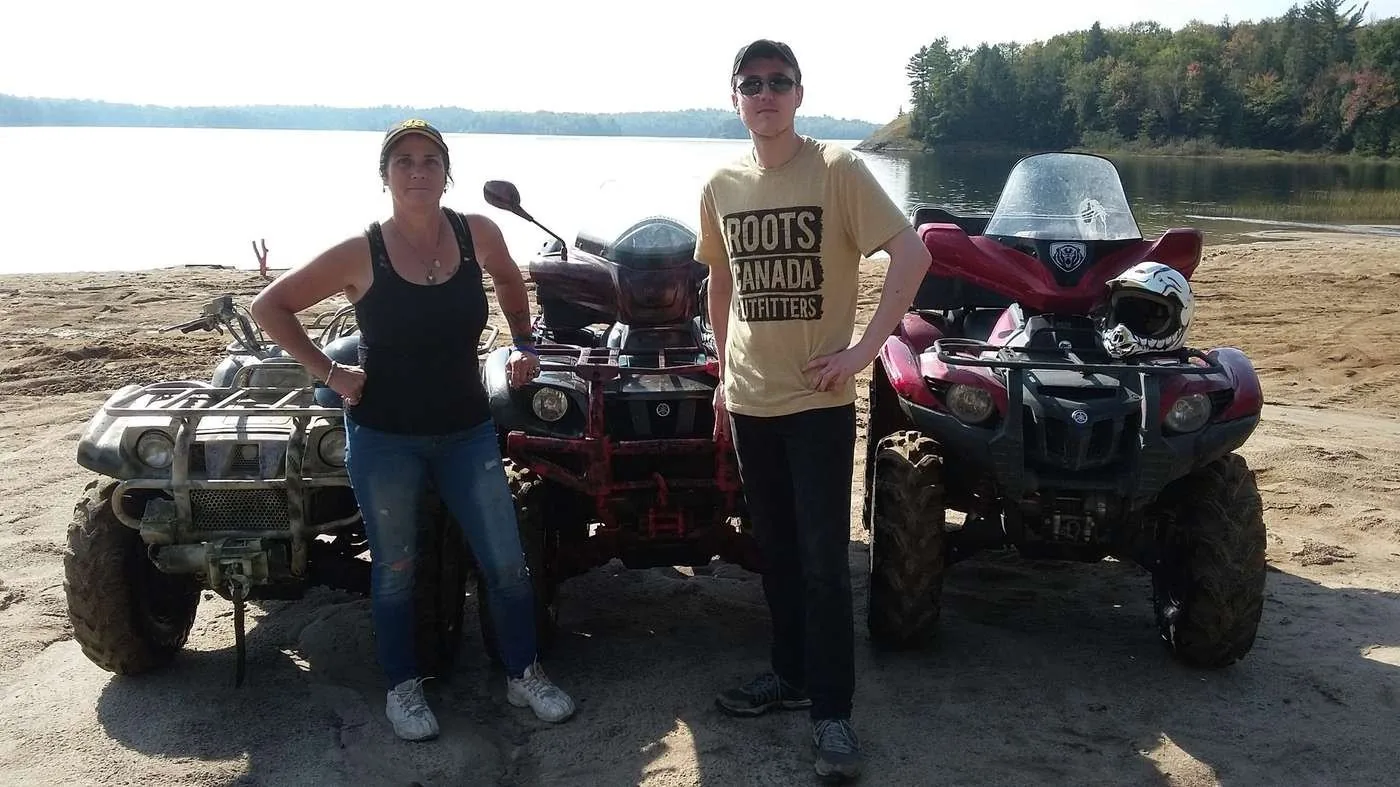
Supplied project and personal photographs with category labels treated as archive metadata.
Purpose register · v200.8
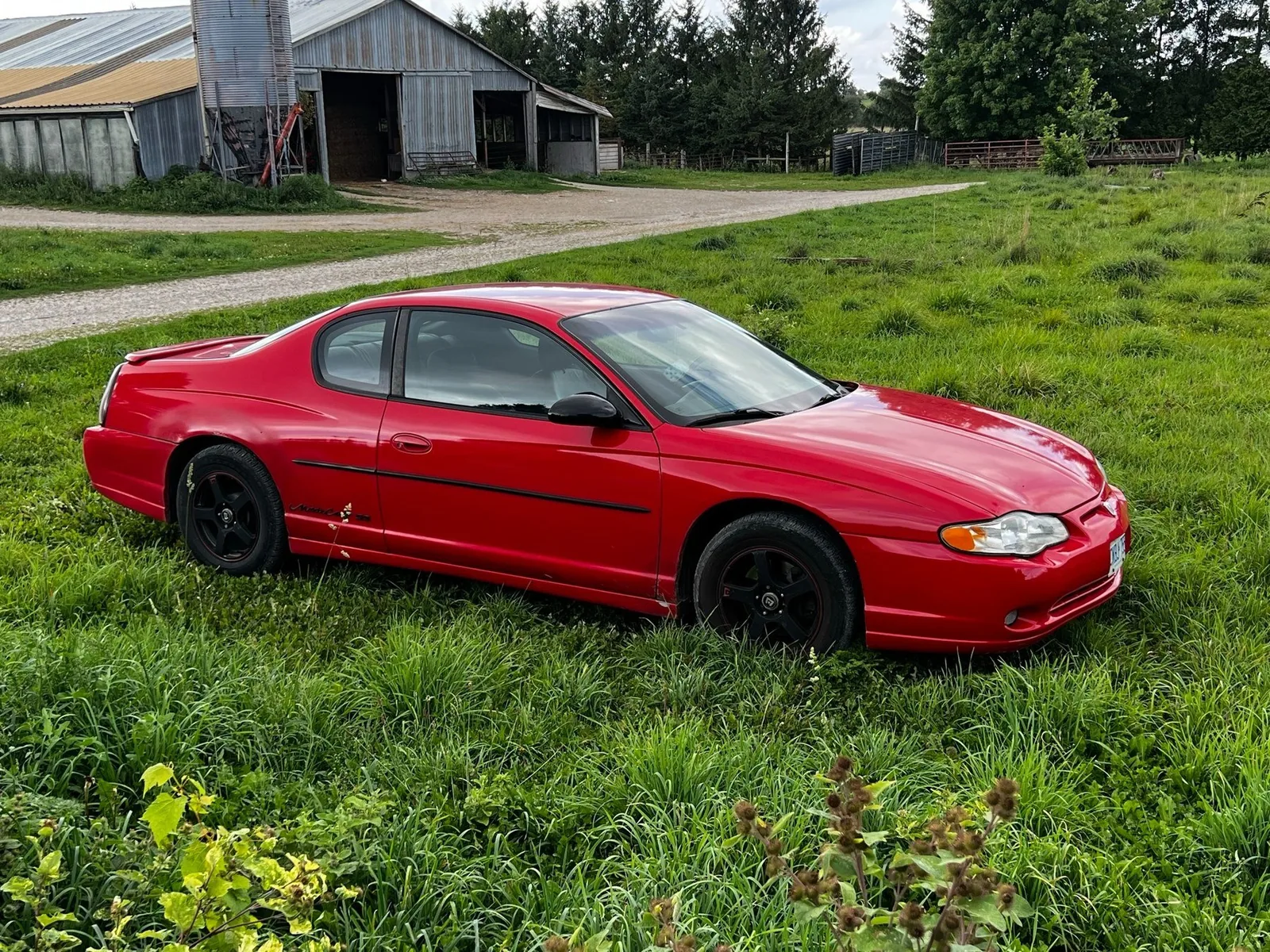
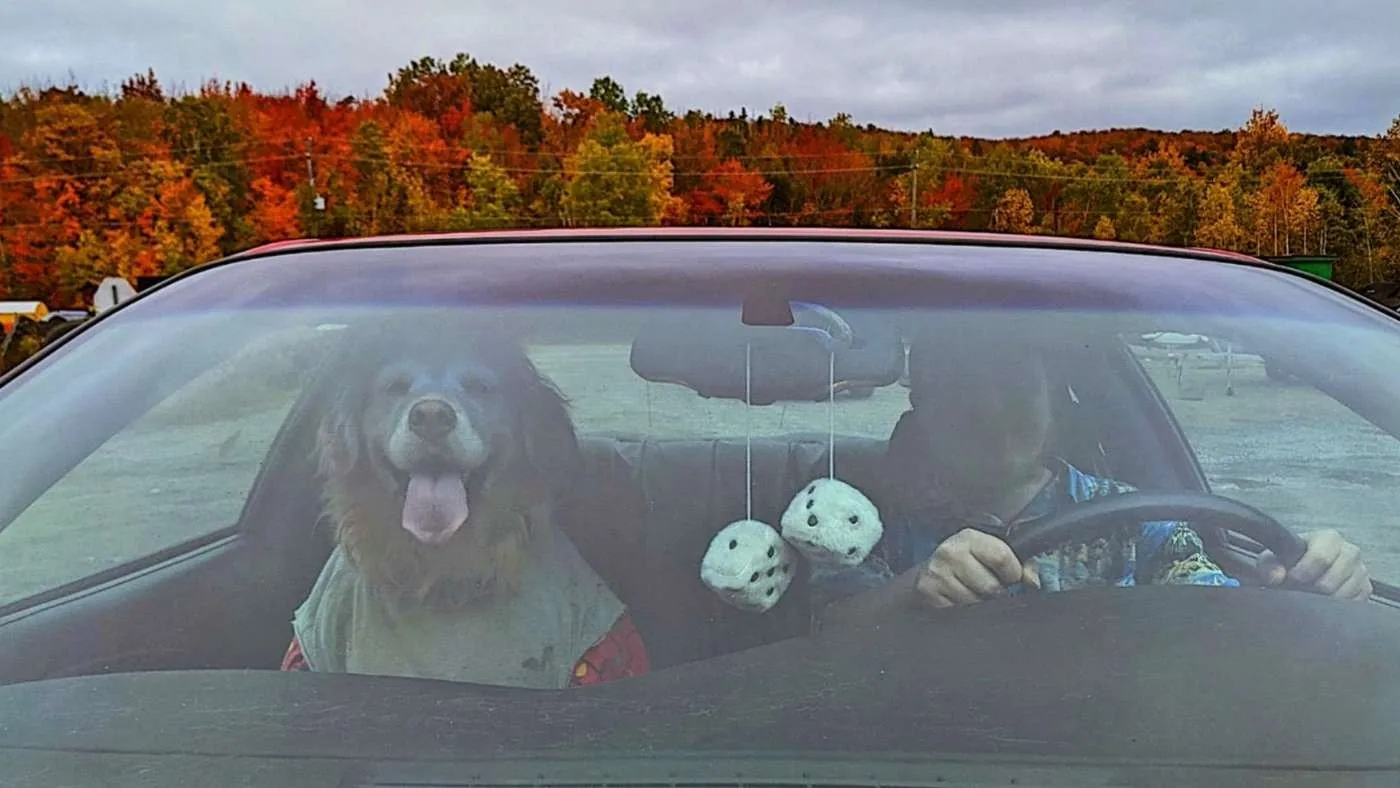
The permanent car and portrait anchors lead. Outdoor, lab, dog, and music images follow only where they explain an enduring part of the public work.